IELTS Speaking forecast quý 2/2026 (tháng 5 đến tháng 8) bao gồm toàn bộ câu hỏi dự kiến cho cả 3 phần thi, kèm bài mẫu band 7.0+ cho các chủ đề trọng tâm. LangGo sẽ liên tục cập nhật đề IELTS Speaking 2026 mới nhất ngay khi có thông tin từ các kỳ thi thực tế, hãy lưu bài viết này lại để không bỏ lỡ.
1. Bộ đề dự đoán IELTS Speaking Part 1 quý 2/2026
Part 1 thường xoay quanh những chủ đề quen thuộc trong cuộc sống hằng ngày. Dưới đây là danh sách đầy đủ các topic có khả năng xuất hiện trong đề IELTS Speaking mới nhất quý 2/2026.
Lưu ý: Bộ đề dự đoán IELTS Speaking được tổng hợp dựa trên các câu hỏi thi thực tế do thí sinh chia sẻ và xu hướng lặp lại theo chu kỳ của IDP/BC Vietnam. Đây là tài liệu tham khảo để luyện tập, không phải đề thi chính thức.
Chủ đề cố định (luôn xuất hiện)
Bốn chủ đề sau đây cố định trong mọi kỳ thi, không thay đổi theo quý:
Work or studies
- What work do you do?
- Why did you choose to do that type of work/study?
- Is it the kind of work/study you wanted to do when you were young?
- Would you like to change your job/study in the future? Why?
Xem bài mẫu: IELTS Speaking Part 1,2,3: Chủ đề WORK và mẫu trả lời
Home & Accommodation
- Can you tell me about the place where you live?
- What do you like most about living there?
- What kind of accommodation would you most like to live in?
- Do you plan to stay there for a long time?
Hometown
- Where are you from?
- What do you like about your hometown?
- What kind of changes have happened in your hometown?
- Would you like to live in your hometown in the future?
Xem bài mẫu: IELTS Speaking Part 1,2,3: Chủ đề HOMETOWN và mẫu trả lời
The area you live in
- Do you like the area that you currently live in?
- What are some changes you would like to see in your area?
- Is it a safe area?
- What is the most popular place in that area?
Xem bài mẫu: Bài mẫu topic The area you live in Speaking Part 1 và Từ vựng
Chủ đề thay đổi theo quý 2/2026
1. Views (Cảnh quan)
- Do you like taking pictures of different views?
- Do you prefer views in urban areas or rural areas?
- Do you prefer views in your own country or in other countries?
- Have you seen an unforgettable and beautiful view or scenery?
2. Childhood activities (Hoạt động thời thơ ấu)
- What are your favourite activities?
- What were your favourite activities when you were a child?
- Did you prefer to do activities alone or with a group of people when you were a child?
- Are there any differences between the activities you liked when you were a child and those you like now?
3. Life stages (Các giai đoạn cuộc sống)
- Do you enjoy being the age you are now?
- What did you often do with your friends in your childhood?
- What do you think is the most important at the moment?
- Do you have any plans for the next five years?
- How do people remember each stage of their lives?
- At what age do you think people are the happiest?
Xem bài mẫu: Giải đề Describe a period of time that changed your life IELTS Speaking
4. Buildings (Các tòa nhà)
- Are there tall buildings near your home?
- Do you take photos of buildings?
- Is there a building that you would like to visit?
- What kinds of buildings do you like?
Xem bài mẫu: Topic Old Buildings Speaking Part 1: Câu trả lời mẫu & từ vựng hữu ích
5. Scenery (Phong cảnh)
- Do you look out the window at the scenery when travelling by bus or car?
- Do you prefer the mountains or the sea?
- Do you like to take scenery pictures?
- What are the most beautiful sights you have seen while travelling?
Xem bài mẫu: Sample IELTS Speaking Part 1 topic Good view và Từ vựng ghi điểm
6. Reading (Đọc sách)
- Do you like reading?
- Do you prefer to read on paper or on a screen?
- When do you need to read carefully, and when not?
- Do you prefer scanning or detailed reading?
7. Sports team (Đội thể thao)
- Have you ever been part of a sports team?
- Are team sports popular in your culture?
- Do you like watching team games? Why?
- What are the differences between team sports and individual sports?
Xem bài tham khảo: Chinh phục chủ đề Sport IELTS Speaking: Câu hỏi và trả lời mẫu
8. Walking (Đi bộ)
- Do you walk a lot?
- Did you often go outside to have a walk when you were a child?
- Why do people like to walk in parks?
- Where would you like to take a long walk if you had the chance?
- Where did you go for a walk lately?
9. Typing (Đánh máy)
- Do you prefer typing or handwriting?
- Do you type on a desktop or laptop keyboard every day?
- When did you learn how to type on a keyboard?
- How do you improve your typing?
10. Food (Đồ ăn)
- What is your favourite food?
- What kind of food did you like when you were young?
- Has your favourite food changed since you were a child?
- Do you eat different foods at different times of the year?
11. Hobby (Sở thích)
- Do you have the same hobbies as your family members?
- Do you have a hobby that you've had since childhood?
- Did you have any hobbies when you were a child?
- Do you have any hobbies?
12. Gifts (Quà tặng)
- What gift have you received recently?
- Have you ever sent handmade gifts to others?
- Have you ever received a great gift?
- What do you consider when choosing a gift?
- Do you think you are good at choosing gifts?
13. Day off (Ngày nghỉ)
- When was the last time you had a few days off?
- What do you usually do when you have days off?
- Do you usually spend your days off with your parents or with your friends?
- What would you like to do if you had a day off tomorrow?
14. Keys (Chìa khóa)
- Do you always bring a lot of keys with you?
- Have you ever lost your keys?
- Do you often forget the keys and lock yourself out?
- Do you think it's a good idea to leave your keys with a neighbour?
Xem thêm bài mẫu: Giải đề topic Keys IELTS Speaking Part 1: Bài mẫu và Từ vựng hay
15. Morning time (Buổi sáng)
- Do you like getting up early in the morning?
- What do you usually do in the morning?
- What did you do in the morning when you were little? Why?
- Are there any differences between what you do in the morning now and what you did in the past?
- Do you spend your mornings doing the same things on both weekends and weekdays? Why?
Xem bài mẫu: Bài mẫu IELTS Speaking Part 1 chủ đề Morning routine và Từ vựng
16. Dreams (Giấc mơ)
- Can you remember the dreams you had?
- Do you share your dreams with others?
- Do you think dreams have special meanings?
- Do you want to make your dreams come true?
17. Pets and Animals (Thú cưng và động vật)
- What's your favourite animal? Why?
- Where do you prefer to keep your pet, indoors or outdoors?
- Have you ever had a pet before?
- What is the most popular animal in Vietnam?
18. Doing something well (Làm việc tốt)
- Do you have an experience when you did something well?
- Do you have an experience when your teacher thought you did a good job?
- Do you often tell your friends when they do something well?
19. Rules (Quy tắc)
- Are there any rules for students at your school?
- Do you think students would benefit more from more rules?
- Have you ever had a really dedicated teacher?
- Do you prefer to have more or fewer rules at school?
20. Public places (Nơi công cộng)
- Have you ever talked with someone you don't know in public places?
- Do you wear headphones in public places?
- Would you like to see more public places near where you live?
- Do you often go to public places with your friends?
21. Staying with old people (Sống cùng người cao tuổi)
- Have you ever worked with old people?
- Are you happy to work with people who are older than you?
- Do you enjoy spending time with old people?
- What are the benefits of being friends with or working with old people?
22. Growing vegetables/fruits (Trồng rau/quả)
- Are you interested in growing vegetables and fruits?
- Is growing vegetables popular in your country?
- Do many people grow vegetables in your city?
- Do you think it's easy to grow vegetables?
- Should schools teach students how to grow vegetables?
23. Going out (Ra ngoài)
- Do you bring food or snacks with you when going out?
- Do you always take your mobile phone with you when going out?
- Do you often bring cash with you?
- How often do you use cash?
24. Advertisements (Quảng cáo)
- Do you often see advertisements when you are on your phone or computer?
- Is there an advertisement that made an impression on you when you were young?
- Do advertisements ever make you want to buy something?
- How do you feel about advertisements?
25. Crowded place (Nơi đông người)
- Do you like going to crowded places?
- What kinds of crowded places have you been to?
- When was the last time you were in a crowded place?
- Do most people like crowded places?
26. Chatting (Trò chuyện)
- Do you like chatting with friends?
- Do you prefer to chat online or face to face?
- Do you chat more now than before?
- What do you usually talk about when you chat with friends?
27. Friends (Bạn bè)
- Do you have many friends?
- What do you and your friends do together?
- Is there a difference between where you meet friends now and where you used to meet them in the past?
- Why are some places suitable for meeting while others are not?
- Do you prefer to spend time with one friend or with a group of friends?
28. The city you live in (Thành phố bạn đang sống)
- What city do you live in?
- Do you like the city you are living in now?
- Is it a good city to raise a family in?
- Would you like to live in another city?
29. Shoes (Giày dép)
- How often do you buy shoes?
- Have you ever bought shoes online?
- Do you prefer comfort or style when choosing shoes?
- Have you ever given shoes as a gift?
30. Museums (Bảo tàng)
- Do you like visiting museums?
- When was the last time you visited a museum?
- Are museums popular in your country?
- What did you learn from visiting museums and art galleries?
31. Having a break (Nghỉ ngơi)
- What do you usually do during a break?
- What do you like to do during a break?
- How often do you take a break?
- Do you take a nap when you have a rest?
- How do you feel after taking a nap?
32. Borrowing/Lending things (Mượn/cho mượn đồ)
- Have you ever borrowed books from others?
- Have you ever borrowed money from others?
- Do you like to lend things to others?
- How do you feel when people don't return things they borrowed from you?
33. Sharing things (Chia sẻ)
- When you were a kid, did your parents encourage you to share things with others?
- Is there anything you don't want to share?
- What kind of things are not suitable for sharing?
- What kind of things do you like to share with others?
- Who is the first person you would like to share good news with?
34. Plants (Cây cối)
- Do you have any plants in your home?
- Do you know how to grow plants?
- Do you think it is a good idea to keep plants at home?
- What plant do you like most?
35. Cash (Tiền mặt)
- Do you often use cash?
- Do you think cash will disappear in the future?
- Do you prefer to pay by cash or credit card?
- Is it safe to carry a lot of cash?
2. Bộ đề dự đoán IELTS Speaking Part 2 + 3 quý 2/2026
Dưới đây là các cue card có khả năng xuất hiện cao trong IELTS Speaking 2026 forecast quý 2. Mỗi đề kèm theo câu hỏi thảo luận Part 3.
1. Describe a movie you watched and enjoyed recently
You should say:
- what the movie was about
- when and where you watched it
- who you watched it with
- and explain why you enjoyed it
Câu hỏi Part 3:
- Do you think films influence people's behaviour or values?
- Why are some films more popular than others?
- How has streaming changed the way people watch films?
- Should the government regulate film content? Why or why not?
- What is the difference between watching a film at the cinema and at home?
2. Describe an item on which you spent more than expected
You should say:
- what the item was
- why you bought it
- how much you spent on it
- and explain how you felt about spending more than expected
Câu hỏi Part 3:
- Why do people sometimes spend more than they plan to?
- Do you think advertising encourages people to overspend?
- Is it important to teach young people how to manage money?
- How has online shopping changed people's spending habits?
- Do people in your country spend more or save more? Why?
3. Describe a person who encouraged you to protect nature
You should say:
- who this person is
- how you know this person
- what this person did to encourage you
- and explain how this affected your attitude towards the environment
Câu hỏi Part 3:
- What can individuals do to help protect the environment?
- Do you think businesses are doing enough to reduce environmental damage?
- Should governments impose stricter environmental laws? Why?
- How can schools educate children about caring for the environment?
- Why do some people not care about environmental issues?
4. Describe a person who likes to look after the natural world
You should say:
- who this person is
- how you know them
- what they do to look after the natural world
- and explain why this person cares about nature
Câu hỏi Part 3:
- Why do some people care deeply about nature while others do not?
- What role should governments play in protecting natural environments?
- Do you think technology can help solve environmental problems?
- Are younger generations more environmentally aware than older ones?
- What natural places in your country are worth protecting?
5. Describe a city you enjoyed visiting
You should say:
- what city it was
- when you went there
- what you did there
- and explain why you enjoyed visiting this city
Câu hỏi Part 3:
- What makes a city attractive to tourists?
- How does tourism affect local communities?
- Do you think it is better to travel to cities or to natural places?
- How have cities changed over the past 20 years?
- What problems can rapid urban growth cause?
6. Describe a short-term job you want to have in a foreign country
You should say:
- what job it is
- which country you would like to work in
- what skills you would need
- and explain why you want to have this job in a foreign country
Câu hỏi Part 3:
- What are the benefits of working abroad?
- What challenges do people face when working in a foreign country?
- Is it important to learn the local language when working abroad?
- How does working overseas benefit a person's career?
- Do you think more people will work abroad in the future?
7. Describe a time when you gave advice to others
You should say:
- who you gave advice to
- what the advice was
- why they needed advice
- and explain how they responded to your advice
Câu hỏi Part 3:
- Why do people sometimes hesitate to ask for advice?
- Do you think it is better to seek advice from friends or professionals?
- How has the internet changed the way people get advice?
- Should parents give their children a lot of advice, or let them make their own decisions?
- Do older people give better advice than younger people? Why or why not?
Tham khảo thêm khóa luyện Speaking và Writing siêu tiết kiệm và tăng tốc bật band tại IELTS LangGo!
8. Define person who often helps others
You should say:
- who this person is
- how you know them
- what they do to help others
- and explain why this person is helpful
Câu hỏi Part 3:
- Why do some people enjoy helping others?
- Do you think volunteering should be made compulsory?
- How does helping others benefit the person who gives help?
- Are people in your country generally willing to help strangers?
- How has the role of volunteers changed in modern society?
9. Describe an event you attended in which you didn't enjoy the music played
You should say:
- what the event was
- where and when it took place
- what type of music was played
- and explain why you didn't enjoy the music
Câu hỏi Part 3:
- Why is music an important part of social events?
- Do you think musical preferences are influenced by age or culture?
- How has music streaming changed the music industry?
- Should event organisers consider the musical preferences of their guests?
- Do you think live music is better than recorded music? Why?
10. Describe one of your friends who learned something without a teacher
You should say:
- who this friend is
- what they learned
- how they learned it without a teacher
- and explain how you felt about what they achieved
Câu hỏi Part 3:
- Is self-study as effective as studying with a teacher?
- What subjects are easiest to learn without formal instruction?
- How has the internet changed the way people learn new skills?
- Do you think schools will become less important in the future?
- What are the disadvantages of self-directed learning?
11. Describe a piece of technology (not a phone) that you would like to own
You should say:
- what it is
- what it does
- why you would like to own it
- and explain how it would change your daily life
Câu hỏi Part 3:
- Do you think people rely too much on technology?
- What are the risks of depending heavily on technology?
- How has technology changed the way we communicate?
- Should people limit their children's use of technology?
- What technology do you think will be most important in 20 years?
12. Describe a perfect job you would like to have in the future
You should say:
- what the job is
- what skills it requires
- how you would prepare for it
- and explain why this would be your ideal job
Câu hỏi Part 3:
- What factors do most people consider when choosing a job?
- Is job satisfaction more important than salary?
- Do you think people's career expectations have changed compared to previous generations?
- How important is work-life balance?
- What jobs do you think will be most in demand in the future?
13. Describe a child who loves drawing/painting
You should say:
- who this child is
- what they draw or paint
- when and where they usually do this
- and explain what you think about their talent
Câu hỏi Part 3:
- Should art be a compulsory subject in schools?
- How does creativity benefit children's development?
- Do you think children today have enough opportunities to express themselves creatively?
- How has technology affected children's interest in traditional arts?
- Can creative skills learned in childhood be useful in adult life?
14. Describe a program or app on your computer or phone
You should say:
- what the program or app is
- what you use it for
- how often you use it
- and explain why you find it useful
Câu hỏi Part 3:
- Do you think people use apps too much?
- How have apps changed daily life?
- What makes a successful app or digital product?
- Do you think apps can replace human services in some areas?
- Should there be age restrictions on certain types of apps?
15. Describe a person who makes plans a lot and is good at planning
You should say:
- who this person is
- what kinds of plans they make
- how you know they are a good planner
- and explain what you think about this person's approach to planning
Câu hỏi Part 3:
- Do you think planning is an important life skill?
- Are there situations where it is better not to plan?
- How can poor planning lead to problems?
- Do you think schools teach planning skills effectively?
- Is it better to have a flexible plan or a detailed one?
16. Describe a famous person you would like to meet
You should say:
- who this person is
- why they are famous
- how you would like to meet them
- and explain what you would like to talk about
Câu hỏi Part 3:
- Why are some people famous around the world?
- Do you think social media has changed how people become famous?
- Is fame always a positive thing?
- What responsibilities do famous people have towards society?
- Do you think it is healthy for young people to idolise celebrities?
17. Describe a movie you watched recently that you felt disappointed about
You should say:
- what the movie was
- when and where you watched it
- what you had expected from it
- and explain why you were disappointed
Câu hỏi Part 3:
- Why do some people enjoy watching films that others dislike?
- Do you think film critics have a significant influence on audiences?
- How do film expectations form before watching a movie?
- Is it important for films to have a clear message?
- How has the way films are reviewed changed with social media?
18. Describe your favourite place in your house where you can relax
You should say:
- where this place is
- what it looks like
- what you do there
- and explain why this place helps you relax
Câu hỏi Part 3:
- Why is it important to have a place to relax at home?
- Do you think modern homes are designed well for relaxation?
- How do different people relax differently?
- Is it harder to relax in a city than in the countryside?
- Do you think people today have less time to relax than in the past?
19. Describe something that you can't live without (not a computer/phone)
You should say:
- what it is
- how long you have had it or used it
- what you use it for
- and explain why you feel you can't live without it
Câu hỏi Part 3:
- Do you think people today depend too much on material things?
- How do possessions affect people's happiness?
- What is the difference between something you want and something you need?
- How have people's essential possessions changed over the past 50 years?
- Do you think minimalism is a practical lifestyle?
20. Describe a time when you felt proud of a family member
You should say:
- who this family member is
- what they did
- when this happened
- and explain why you felt proud
Câu hỏi Part 3:
- Why is family pride important in many cultures?
- Do you think expectations within families can sometimes create pressure?
- How do parents' attitudes affect children's achievements?
- Is it possible to be too proud of a family member?
- How have family structures and values changed in modern society?
Nếu quá trình luyện Speaking của bạn còn gặp nhiều khó khăn, không có ai hướng dẫn, sửa lỗi chi tiết khiến bản thân mãi không đạt được điểm số mong muốn, hãy tham khảo thêm lộ trình học IELTS phù hợp với trình độ của mình tại LangGo nhé!
21. Describe a bicycle/motorcycle/car trip you would like to go on
You should say:
- where you would go
- who you would travel with
- what you would do on the trip
- and explain why you would like to take this particular trip
Câu hỏi Part 3:
- What are the advantages and disadvantages of road trips?
- How has car ownership changed people's lifestyles?
- Do you think people should use private vehicles less?
- What impact does road transport have on the environment?
- How do travel preferences differ between generations?
22. Describe an occasion when many people were smiling
You should say:
- what the occasion was
- where it took place
- who was there
- and explain why so many people were smiling
Câu hỏi Part 3:
- What kind of events bring people together and make them happy?
- Do you think people in your country express happiness openly?
- How does a positive atmosphere affect people's behaviour?
- Is it important to celebrate achievements? Why?
- Do you think people today have more or fewer reasons to smile than in the past?
23. Describe an occasion when you were not allowed to use your mobile phone
You should say:
- when and where this happened
- why you were not allowed to use your phone
- what you did instead
- and explain how you felt about not being able to use your phone
Câu hỏi Part 3:
- Do you think mobile phones should be banned in certain places?
- How has the constant availability of phones affected social interaction?
- Should schools allow students to use mobile phones?
- Do you think people are becoming too dependent on mobile phones?
- How might mobile phone use change in the next 10 years?
24. Describe something important that has been kept in your family for a long time
You should say:
- what it is
- how long your family has had it
- who it originally belonged to
- and explain why it is important to your family
Câu hỏi Part 3:
- Why do families keep certain objects for a long time?
- Do you think material objects can preserve memories?
- Is it important for younger generations to learn about their family history?
- How do different cultures approach the preservation of family heritage?
- What is the difference between something having sentimental value and financial value?
25. Describe a book you read that you found useful
You should say:
- what book it was
- when and why you read it
- what information or ideas it contained
- and explain why you found it useful
Câu hỏi Part 3:
- Do you think reading is becoming less popular?
- What are the advantages of reading physical books compared to ebooks?
- Should governments do more to encourage reading?
- How can parents encourage their children to read more?
- What types of books do people in your country most enjoy reading?
26. Describe a popular person
You should say:
- who this person is
- why they are popular
- how you know about them
- and explain what you think makes this person popular
Câu hỏi Part 3:
- What qualities make someone popular?
- Do you think popularity is always deserved?
- How has social media changed the concept of popularity?
- Is it better to be popular or to be respected?
- Why do some people become popular while others with similar talents do not?
27. Describe a creative person (e.g. an artist, a musician, an architect) you admire
You should say:
- who this person is
- how you know about them
- what their greatest achievement is
- and explain why you think this person is creative
Câu hỏi Part 3:
- Is creativity a natural talent or a skill that can be developed?
- How does creativity benefit society?
- Do you think schools encourage creativity enough?
- How has technology changed the way creative work is produced and shared?
- Can creativity be measured or evaluated? Why or why not?
28. Describe a long journey you had and would like to take again
You should say:
- where you went
- who you travelled with
- what the journey was like
- and explain why you would like to take this journey again
Câu hỏi Part 3:
- Why do people enjoy travelling long distances?
- How has travel changed over the last few decades?
- What are the environmental impacts of long-distance travel?
- Do you think virtual travel (using technology) could replace real travel?
- Why is travel considered important for personal development?
29. Describe a person you know who enjoys working for a family business
You should say:
- who this person is
- what type of family business it is
- what they do in the business
- and explain why this person enjoys working in the family business
Câu hỏi Part 3:
- What are the advantages and disadvantages of working in a family business?
- How do family businesses differ from large corporations?
- Is it common for young people in your country to join the family business?
- Do you think family businesses are likely to survive in the modern economy?
- What challenges do family businesses face today?
30. Describe a wild animal that you want to learn more about
You should say:
- what animal it is
- where it lives
- what you already know about it
- and explain why you want to learn more about it
Câu hỏi Part 3:
- Why is it important to protect wild animals?
- What are the main causes of species extinction?
- Do you think zoos help or harm wildlife conservation?
- How can governments better protect endangered species?
- Should people be allowed to keep exotic animals as pets?
31. Describe a time when you broke something
You should say:
- what you broke
- when and how it happened
- what you did after breaking it
- and explain how you felt about it
Câu hỏi Part 3:
- Do you think people today take good care of their possessions?
- How do accidents affect people emotionally?
- Is it better to repair something or replace it when it breaks?
- How does the "throwaway culture" affect the environment?
- Do you think schools should teach children to be more careful with things?
32. Describe a good friend who is important to you
You should say:
- who this friend is
- how and when you met
- what you do together
- and explain why this friend is important to you
Câu hỏi Part 3:
- What qualities are most important in a friend?
- Do you think it is harder to make friends as an adult than as a child?
- How has social media changed the way people make and maintain friendships?
- Is it possible to have a close friendship with someone you have never met in person?
- Why do some friendships last a lifetime while others fade?
33. Describe a friend of yours who is good at music/singing
You should say:
- who this friend is
- what instrument they play or what type of singing they do
- how they developed this skill
- and explain what you think of their musical ability
Câu hỏi Part 3:
- How does music affect people's emotions?
- Do you think learning music has educational benefits?
- Why are some musical genres more popular than others?
- How has music streaming affected musicians' careers?
- Should music education be compulsory in schools?
34. Describe a great dinner you and your friends or family members enjoyed
You should say:
- who organised the dinner
- where you had it
- what you ate and drank
- what you talked about during the meal
- and explain why the dinner was special
Câu hỏi Part 3:
- Why are shared meals important in many cultures?
- How has the restaurant industry changed in recent years?
- Do you think home cooking is healthier than eating out?
- How do food traditions differ between generations?
- Do you think people eat together less often than in the past?
35. Describe an important decision made with the help of other people
You should say:
- what the decision was
- who helped you make it
- why you needed help
- and explain how you felt about the decision afterwards
Câu hỏi Part 3:
- Do you think important decisions should always be made alone?
- What are the advantages and disadvantages of group decision-making?
- How do cultural backgrounds affect how people make decisions?
- Do you think people today face more difficult decisions than in the past?
- How does age and experience influence the quality of decisions?
36. Describe a time when the electricity suddenly went off
You should say:
- when and where this happened
- what you were doing at the time
- how long the power was off
- and explain how you felt about the experience
Câu hỏi Part 3:
- How dependent are people today on electricity?
- What are the most serious problems caused by power cuts?
- How can governments better manage electricity supply?
- Do you think people should be more prepared for power failures?
- How might energy production change in the future?
37. Describe an exciting activity you have tried for the first time
You should say:
- what the activity was
- when and where you tried it
- who you were with
- and explain why it was exciting
Câu hỏi Part 3:
- Why do some people seek out exciting or challenging experiences?
- What are the benefits and risks of extreme sports?
- Do you think adventure activities are suitable for all age groups?
- How has the adventure tourism industry grown in recent years?
- Do you think people today take enough risks in life?
38. Describe an interesting traditional story
You should say:
- what the story is
- where the story comes from
- what the story is about
- and explain why you find it interesting
Câu hỏi Part 3:
- Why do cultures preserve traditional stories and myths?
- How do traditional stories differ from modern stories?
- Do you think traditional stories are still relevant to young people today?
- How have films and TV changed the way people consume stories?
- What can traditional stories teach us about a culture's values?
39. Describe an old person who has an interesting life and you enjoy talking to
You should say:
- who this person is
- how you know them
- what makes their life interesting
- and explain why you enjoy talking to them
Câu hỏi Part 3:
- What can young people learn from the elderly?
- How are older people treated in your culture?
- Do you think society gives enough respect to older people?
- How has the role of elderly people in families changed over time?
- What challenges do older people face in modern society?
40. Describe a time when you saw something in the sky (e.g. flying kites, birds, sunset)
You should say:
- what you saw
- when and where you saw it
- who you were with
- and explain how you felt when you saw it
Câu hỏi Part 3:
- Why do natural phenomena like sunsets attract people's attention?
- Do you think people in cities have fewer opportunities to appreciate nature?
- How does spending time outdoors affect people's wellbeing?
- What natural sights in your country are particularly spectacular?
- Do you think people today appreciate nature less than previous generations?
41. Describe a positive change you have made recently in your daily routine
You should say:
- what the change is
- when and why you made this change
- how difficult it was to make the change
- and explain how this change has affected you
Câu hỏi Part 3:
- Why do people find it difficult to change their habits?
- What role does motivation play in making lifestyle changes?
- Do you think society encourages healthy habits?
- How can technology help people develop better routines?
- Is it easier to change habits when you are young or when you are older?
42. Describe a time when you received good service in a shop/store
You should say:
- what shop or store it was
- what you were buying
- what the service was like
- and explain why you thought the service was good
Câu hỏi Part 3:
- Why is good customer service important for businesses?
- How has online shopping changed customer expectations?
- Do you think customer service standards have improved or declined?
- What training do employees need to provide good service?
- How do you think AI will change customer service in the future?
43. Describe a natural place (e.g. parks, mountains)
You should say:
- where this place is
- what it is like
- when you went there
- and explain why you like this natural place
Câu hỏi Part 3:
- Why do people enjoy spending time in natural environments?
- How can urban areas incorporate more natural spaces?
- What threats do natural places face today?
- Do you think governments invest enough in protecting natural areas?
- How can tourism both help and harm natural places?
44. Describe a successful sportsperson you admire
You should say:
- who this person is
- what sport they play
- what they have achieved
- and explain why you admire them
Câu hỏi Part 3:
- What qualities make a successful athlete?
- Do you think professional athletes are paid too much?
- How does sport benefit society?
- What challenges do athletes face after retiring from professional sport?
- How has media coverage changed the way we watch sport?
45. Describe an area/subject of science you are interested in and would like to learn more about
You should say:
- what area of science it is
- what you already know about it
- why you find it interesting
- and explain how you would like to learn more about it
Câu hỏi Part 3:
- Why is science education important?
- How has scientific research changed the world in the last 50 years?
- Do you think enough young people are interested in pursuing careers in science?
- What ethical questions arise from scientific advances?
- How can governments better support scientific research?
46. Describe an unusual meal you had
You should say:
- what the meal was
- where and when you had it
- who you were with
- and explain what made the meal unusual
Câu hỏi Part 3:
- Why do people enjoy trying new or unusual foods?
- How do food traditions reflect a culture's history?
- Do you think people are becoming more adventurous in their eating habits?
- How has globalisation affected food cultures around the world?
- Is it important to preserve traditional food cultures?
47. Describe a good habit your friend has and you want to develop
You should say:
- who your friend is
- what habit they have
- when you noticed this habit
- and explain why you want to develop this habit
Câu hỏi Part 3:
- Why is it difficult to form good habits?
- What role does environment play in shaping people's habits?
- Do you think schools should teach students about healthy habits?
- How can social media influence people's habits positively or negatively?
- Do you think adults can change their habits as easily as children?
48. Describe a time when you waited for something special that would happen
You should say:
- what you were waiting for
- how long you had to wait
- what you did while waiting
- and explain how you felt when it finally happened
Câu hỏi Part 3:
- Why is patience considered an important quality?
- Do you think people today are less patient than previous generations?
- How does waiting for something affect people's excitement or anxiety?
- Are there situations where patience is not useful?
- How has technology reduced the amount of waiting in people's lives?
49. Describe a time you saw something interesting on social media
You should say:
- what you saw
- when and where you saw it
- why you found it interesting
- and explain what you did after seeing it
Câu hỏi Part 3:
- How has social media changed the way information is shared?
- What are the risks of getting news from social media?
- Do you think social media has more positive or negative effects on society?
- Should social media companies be responsible for the content on their platforms?
- How might social media change in the next 10 years?
50. Describe a natural talent (sports, music, etc.) you want to improve
You should say:
- what the talent is
- how long you have had this talent
- what you currently do to develop it
- and explain why you want to improve this talent
Câu hỏi Part 3:
- Is talent more important than hard work?
- How can people identify their natural talents?
- Do you think the education system does enough to develop students' individual talents?
- Can someone become highly skilled at something without natural talent?
- How does encouragement from others affect talent development?
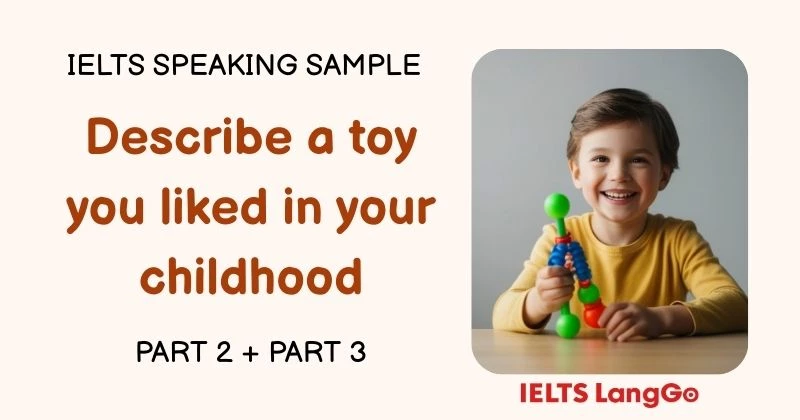
51. Describe a toy you liked in your childhood
You should say:
- what the toy was
- who gave it to you
- how you played with it
- and explain why you liked it so much
Câu hỏi Part 3:
- How have children's toys changed over the past 20 years?
- Do you think children today spend too much time with electronic devices?
- What are the benefits of traditional, non-electronic toys for children?
- How do toys contribute to a child's development?
- Do you think toy advertising has too much influence on children?
52. Describe the time when you first talked in a foreign language
You should say:
- what language it was
- when and where this happened
- who you spoke with
- and explain how you felt about the experience
Câu hỏi Part 3:
- Why is learning foreign languages important?
- Do you think people in your country are motivated to learn foreign languages?
- How has technology changed the way people learn languages?
- What are the social benefits of being able to speak multiple languages?
- Do you think some languages are more valuable to learn than others?
53. Describe an occasion when you lost your way
You should say:
- when and where this happened
- what you were trying to get to
- what you did when you realised you were lost
- and explain how you felt during the experience
Câu hỏi Part 3:
- How has GPS technology changed the way people navigate?
- Do you think people rely too much on navigation apps?
- What skills do people lose when they depend heavily on technology for navigation?
- Have you ever had to help someone who was lost?
- Do you think it is important to have a good sense of direction?
54. Describe a time when someone apologised to you
You should say:
- who apologised to you
- why they apologised
- what they said or did
- and explain how you felt about receiving the apology
Câu hỏi Part 3:
- Why is it important to apologise when you have done something wrong?
- Do people in your culture find it easy to apologise?
- Is a verbal apology always enough?
- Do you think children should be taught to apologise from a young age?
- Can an apology always repair a damaged relationship?
4. Hướng dẫn luyện tập với đề dự đoán IELTS Speaking 2026
Có bộ IELTS Speaking forecast trong tay chỉ là điểm khởi đầu. Dưới đây là cách khai thác tài liệu này hiệu quả nhất:
Bước 1 - Đọc đề và brainstorm ý tưởng Với mỗi cue card, dành 2 phút ghi nhanh tất cả ý tưởng bạn có mà không lọc. Ở giai đoạn này, số lượng quan trọng hơn chất lượng.
Bước 2 - Chọn ý tưởng cá nhân Đừng dùng ý tưởng "an toàn" chung chung giám khảo nghe hàng chục thí sinh mỗi ngày. Chọn câu chuyện, ví dụ, hoặc quan điểm mang tính cá nhân của bạn. Tính xác thực giúp câu trả lời nghe tự nhiên hơn nhiều.
Bước 3 - Tập nói có thời gian Dùng điện thoại để ghi âm. Thực hành Part 2 với đồng hồ bấm giờ: 1 phút chuẩn bị, 2 phút trình bày. Nghe lại và tự đánh giá theo bốn tiêu chí: Fluency, Vocabulary, Grammar, Pronunciation.
Bước 4 - Học từ vựng theo chủ đề Với mỗi topic trong đề IELTS Speaking mới nhất, xây dựng một danh sách 10-15 từ/cụm từ chủ đề. Không cần học thuộc chỉ cần quen đến mức tự nhiên dùng được.
Bước 5 - Luyện Part 3 dạng thảo luận Part 3 thường là điểm phân loại giữa band 6.0 và 7.0+. Luyện cách đưa ra quan điểm có lập luận (position → reason → example → restate) thay vì chỉ trả lời có/không.
👉 Tham khảo ngay các khóa học tại IELTS LangGo:
5. Các chủ đề IELTS Speaking thường xuyên tái xuất
Một đặc điểm của đề dự đoán IELTS Speaking là một số chủ đề xuất hiện lặp đi lặp lại qua nhiều năm, chỉ thay đổi góc độ câu hỏi. Đây là những chủ đề bạn không thể bỏ qua dù đang chuẩn bị cho quý nào:
| Nhóm chủ đề | Topic thường gặp |
| Con người & xã hội | Role models, elderly people, friendship, helping others |
| Môi trường & thiên nhiên | Climate change, environmental problems, wildlife |
| Công nghệ | Internet, social media, AI, gadgets |
| Học tập & nghề nghiệp | Education systems, skills, career choices |
| Văn hoá & nghệ thuật | Traditions, music, films, literature |
| Du lịch & địa điểm | Travel preferences, memorable places, tourism impact |
Nếu bạn chuẩn bị kỹ 6 nhóm chủ đề này, bạn đã có nền tảng để xử lý phần lớn các câu hỏi trong IELTS Speaking 2026 bất kể forecast có thay đổi thế nào.
6. Tại sao cần luyện theo IELTS Speaking forecast?
IELTS Speaking quý 2/2026 sẽ áp dụng từ đầu tháng 5 đến cuối tháng 8. Việc nắm bắt IELTS Speaking forecast 2026 trước kỳ thi giúp bạn:
- Chủ động chuẩn bị ý tưởng cho từng topic thay vì ứng biến trống rỗng trong phòng thi.
- Xây dựng vốn từ vựng theo chủ đề, một trong bốn tiêu chí chấm điểm Speaking (Lexical Resource).
- Rút ngắn thời gian ôn luyện bằng cách tập trung vào các chủ đề có xác suất xuất hiện cao.
- Tăng sự tự tin khi đã quen với dạng câu hỏi trước khi vào phòng thi.
Điều đó không có nghĩa bạn chỉ học thuộc bài mẫu, giám khảo IELTS được đào tạo để nhận ra câu trả lời học vẹt. Hãy dùng đề dự đoán IELTS Speaking mới nhất như một bộ khung ý tưởng để luyện nói tự nhiên.
7. Cấu trúc bài thi IELTS Speaking 2026
Trước khi đi vào bộ đề, cần nắm rõ cấu trúc bài thi để sử dụng IELTS Speaking forecast đúng cách:
| Phần | Thời gian | Nội dung |
| Part 1 | 4-5 phút | 3 chủ đề, mỗi chủ đề 3-4 câu hỏi về cuộc sống cá nhân |
| Part 2 | 3-4 phút | 1 cue card, 1 phút chuẩn bị, nói 2 phút |
| Part 3 | 4-5 phút | Thảo luận chuyên sâu liên quan đến topic Part 2 |
Tổng thời gian thi khoảng 11-14 phút. Bộ IELTS Speaking 2026 forecast dưới đây bao gồm đủ 3 phần.
8. FAQ - Các câu hỏi thường gặp về IELTS Speaking forecast
IELTS Speaking forecast có chính xác không?
Forecast được tổng hợp từ thực tế đề thi do thí sinh chia sẻ sau các kỳ thi chính thức, cộng với phân tích xu hướng theo chu kỳ. Mức độ chính xác phụ thuộc vào nguồn và thời điểm cập nhật không ai có thể đảm bảo 100%. Dùng forecast như công cụ luyện tập, không phải "đánh đề".
Đề IELTS Speaking thay đổi khi nào?
IDP và British Council thường cập nhật ngân hàng đề Speaking theo từng quý: Quý 1 (tháng 1-4), Quý 2 (tháng 5-8), Quý 3/4 (tháng 9-12). Trong mỗi quý, một số topic mới được thêm vào trong khi một số topic cũ được giữ lại hoặc điều chỉnh.
Nên học thuộc bài mẫu IELTS Speaking không?
Không nên. Giám khảo được đào tạo để nhận ra câu trả lời học vẹt điều này ảnh hưởng tiêu cực đến điểm Fluency và Coherence. Bài mẫu chỉ nên dùng để học cách triển khai ý tưởng và từ vựng, không phải để thuộc lòng.
Cần bao lâu để luyện với bộ IELTS Speaking forecast quý 2/2026?
Tuỳ vào trình độ hiện tại. Nếu bạn đang ở band 5.0-5.5 và muốn đạt 6.5-7.0, khoảng 6-8 tuần luyện tập tập trung với forecast kết hợp tự luyện và nhận phản hồi từ người có chuyên môn là một mốc thực tế.
Part 3 IELTS Speaking 2026 có khó hơn các năm trước không?
Cấu trúc và độ khó tổng thể không thay đổi đáng kể. Tuy nhiên, các chủ đề liên quan đến công nghệ (AI, mạng xã hội, quyền riêng tư dữ liệu) và môi trường ngày càng phổ biến hơn trong Part 3, phản ánh các vấn đề xã hội đương đại.
Forecast IELTS Speaking có khác nhau giữa các trung tâm thi không?
Không tất cả thí sinh thi IELTS trong cùng một kỳ đều nhận cùng ngân hàng đề thi, bất kể thi tại IDP hay British Council, tại Hà Nội, TP.HCM hay bất kỳ tỉnh nào.
Có bao nhiêu cue card trong bộ đề IELTS Speaking forecast quý 2/2026?
Bộ đề quý 2/2026 gồm khoảng 50+ cue card cho Part 2, trải đều trên các nhóm chủ đề: con người, địa điểm, sự vật, sự kiện, thói quen và tình huống. Không phải tất cả đều xuất hiện trong một kỳ thi mỗi thí sinh chỉ nhận 1 cue card trong phòng thi.
LangGo sẽ tiếp tục cập nhật bộ đề IELTS Speaking forecast quý 2/2026 khi có thêm thông tin từ các kỳ thi thực tế. Lưu ngay bài viết này và theo dõi để nhận bản cập nhật sớm nhất.
 ×
×